
As summer is approaching, now is the best time to get that wood pile stocked up and in perfect condition to burn at maximum efficiency. While you are thinking about using your perfected fire lighting […]

As summer is approaching, now is the best time to get that wood pile stocked up and in perfect condition to burn at maximum efficiency. While you are thinking about using your perfected fire lighting […]
Cheap imports and inferior quality stoves are going to come alongside the increasingly popular stove market. Not only will they look cheap but, in some cases, these can be proven as dangerous. Therefore, it is […]
When looking to acquire a stove you will need to consider the types of fuel available to you locally at an affordable price. While there is some overlap between the types of fuel used with a multifuel stove and a wood-burning stove, there are also some differences. As the name suggests, a multifuel stove will accommodate an array of different fuel types while a wood-burning stove simply burns wood.
Without going into too much detail, there are many different types of wood available in the UK which can be used with a wood-burning stove. Some of the more popular types include ash, oak, beech, cedar, hawthorn, blackthorn, maple, rowan, apple and pear. They all have different heat ratings, different burn rates and it is worth looking into these further.
While wood is classed as a solid fuel, and a perfectly acceptable fuel for a multifuel stove, these type of stoves also accommodate other fuels. In simple terms, multifuel stoves work best with high calorific value fuel which give a greater level of heat when burned. This includes fuels such as:-
• Manufactured coal
• Smokeless fuels
• Anthracite
If you have had your stove fitted and installed by a trained professional and you follow all the correct instructions when operating the stove, you shouldn’t come across any or very few difficulties. Fortunately, in […]
Wood-burning stove sales in the UK now top 170,000 per annum and there is no doubt the trend towards wood-burning, and multifuel, stoves is gathering pace. With more and more people contemplating the purchase of a wood-burning stove, it is interesting to ask the question, why do people buy wood-burning stoves?
For many people the cost benefits of a wood-burning stove are not the main purchase driver. The potential cost savings will depend upon the way in which the stove is utilised and the cost of wood fuel. Those with natural supplies of wood on their doorstep will obviously have the greatest potential for cost savings although the long-term benefits are there for all to see. So, if cost benefits are not the major pulling power towards wood-burning stoves, what are?
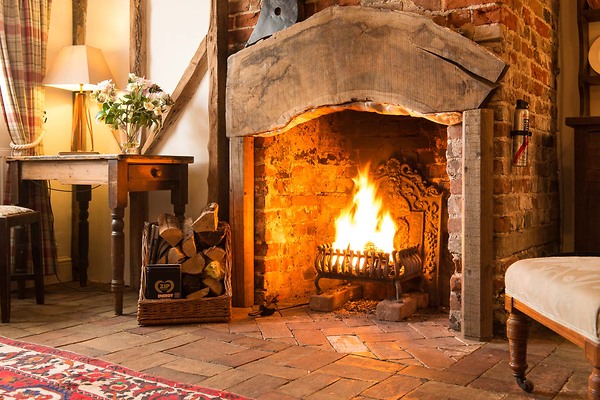
Many people may like the idea of an open fire due to the cosy atmosphere it creates but realistically is it an efficient heating solution? Here we are going to look at some of the […]
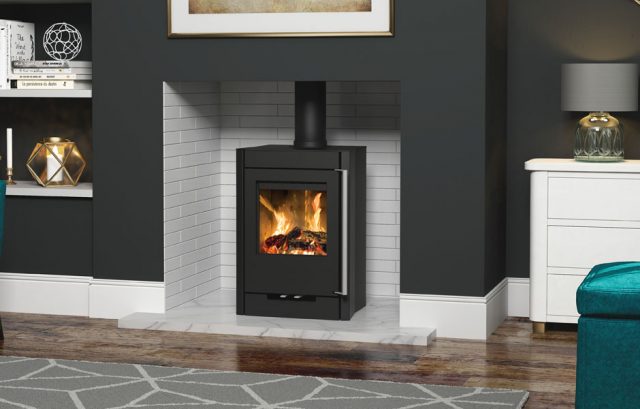
A report by the Stove Industry Alliance has cast a very interesting light on the UK stove industry offering a greater insight into the potential to reduce carbon emissions and encourage sustainable energy sources. There are some very interesting facts and figures regarding the UK stove industry which include:
Official estimates suggest that wood-burning stoves could actually account for around 10% of the UK government’s carbon reduction targets by 2020. This ties in perfectly with the government’s aim to fulfil 25% of domestic heat energy requirements via renewable sources by 2020. While current sales of wood-burning stoves are running at around 175,000 units per annum, with more than 1 million homes already using wood-burning stoves and fireplaces, there is still scope for further growth.
Over the last few months we have seen a political witch hunt against wood-burning stoves, by politicians in England and Scotland. Amid vague talk regarding concerns about the 1993 Clean Air Act, this seems to be a political will to tighten regulations surrounding wood-burning stoves and the smoke which they release. On the surface, concerns about the release of microscopic particles into the atmosphere seems fair, suggestions that the illnesses such as asthma are increasing seems justified, but what happens when you begin to dig under the surface?
Even the most ardent of critics acknowledge that the increase in popularity of wood-burning stoves over the last few years has not led to an increase in air pollution rates. In fact, some reports suggest that pollution blamed on the use of wood-burning stoves is actually falling. When you bear in mind that a well-structured and well manufactured wood-burning stove, with a cast-iron body, can last decades, is it fair to consider stoves housing the latest combustion technology against those of years gone by?
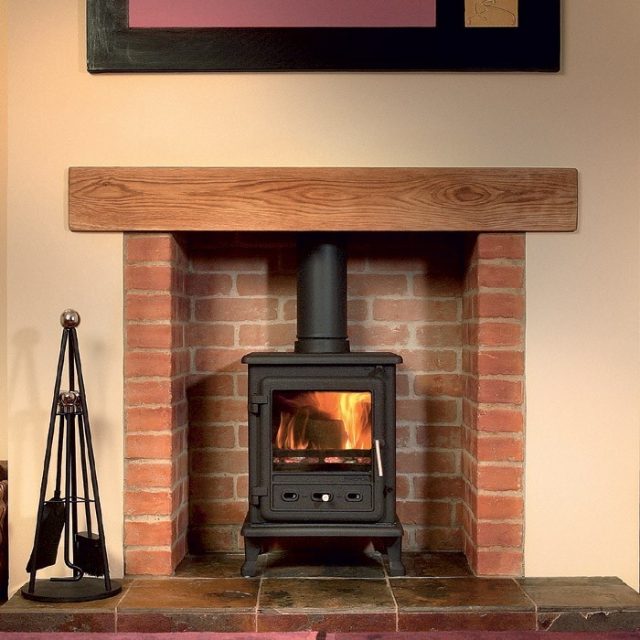
As the popularity of wood burning stoves is still increasing, more and more people want one in their home. But you may think you can’t afford one… and that’s why we are writing this blog […]
While trends continue to change and develop in the UK stove market there is a high degree of brand loyalty when it comes to quality, durability and value for money. We cover a wide range of different stove brands, together with an even wider range of spare parts, and during 2017/18 we noticed that a number of stove brands were proving to be extremely popular. We will now take a look at each individual brand and consider why they are so popular and what they have to offer stove enthusiasts.
Hwam Stoves
There is no doubt that Hwam stoves have their own particular style and shape and while not the cheapest stoves in the market they have proven to be extremely popular over the years. While they offer a limited range of traditional stoves and inset stoves, it is the tall cylindrical style which is more associated with the company. We have those with extended front viewing areas, to watch the flickering flames and the burning embers, and those which also have side viewing areas. Many people fail to realise but the side viewing areas not only allow you to watch the flames and the burning embers but they also emit light into your room.