Read More
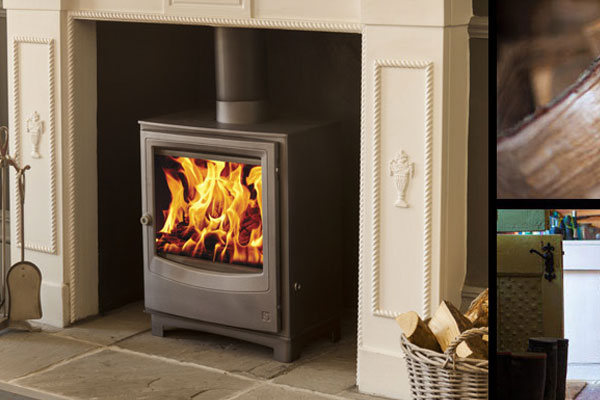
Broseley Hotspur 5 woodburning stove

What does the Broseley Hotspur 5 woodburning stove offer?

There are some stoves which need little in the way of introduction and we can safely say that the Broseley Hotspur 5 woodburning stove comes into this category. Broseley Stoves has a reputation for understanding the market, creating top quality multifuel (this particular kit can burn certain types of coal when adding an optional kit) and wood-burning stoves and above all delivering at a reasonable price. The ability to understand both the traditional and the contemporary markets is not commonplace across the industry, many companies seem to concentrate on one or the other, and this does offer opportunities to mix and match styles, designs and new technology.

Steel body for extra durability

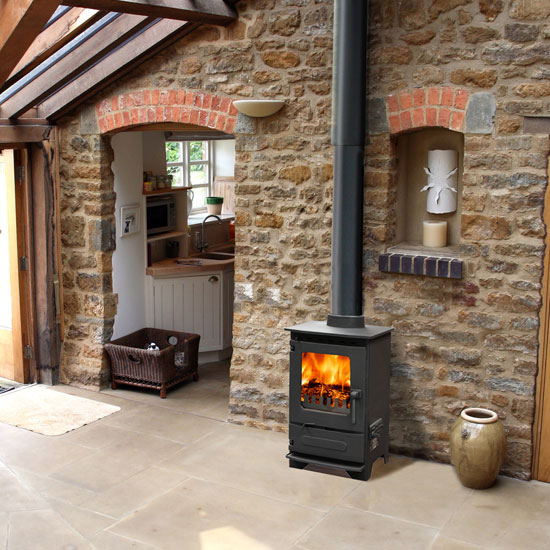
It is fair to say that the average stove is durable but the fact that the body of the Broseley Hotspur 5 woodburning stove is made from steel makes it extremely strong and extremely durable. This particular machine has an efficiency rating of 82% which is certainly up there in the higher echelons for the industry. Such is the company’s confidence in the standard of manufacture that the body of the Broseley Hotspur 5 woodburning stove also comes with a five year guarantee.
Read More
HETAS challenges government report on emissions

Charnwood Skye stove spare parts

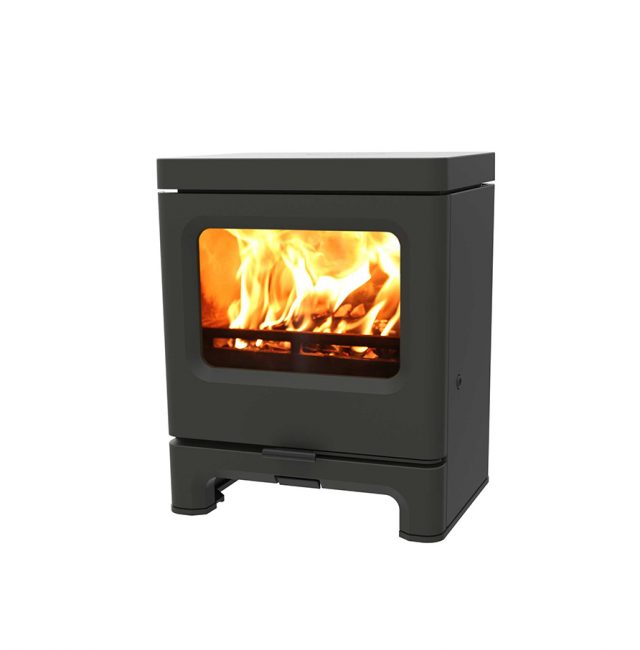
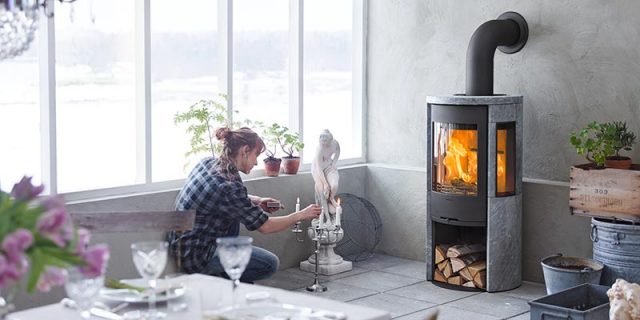
The Charnwood Skye stove may seem relatively small but this is a stove which certainly packs a punch when it comes to visual impact and efficiency. Described as a state-of-the-art stove by Charnwood it is obvious that time has been taken to research and develop this particular model which offers an efficiency rating of up to 86%. Whether you go for the low stand or the log stand will significantly impact the look and feel of the stove.

Technical specifications

The Charnwood Skye stove is available in wood-burning and multifuel variations with heat output between 2 kW and 7 kW resulting in a 5 kW normal rating. As we touched on above, the efficiency rating is a very impressive 86% and the machine already abides by the Eco-Design standards which are not yet enshrined in law. The machine also has a DEFRA exemption which means that it can be used to burn wood in smoke control areas. This is something that is becoming ever more important in the world of wood-burning and multifuel stoves as regulations become tighter to protect the environment.

Read More
Highlander 3 Enviroburn SG Stove

Dunsley stove spare parts

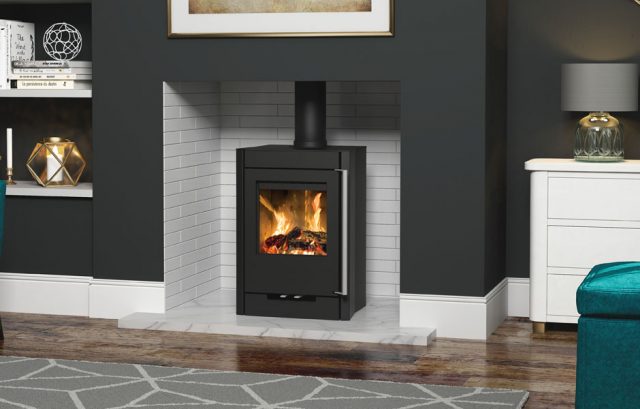
Dunsley Stoves are extremely popular whether you are looking at the Yorkshire stove range or the Highlander stove range which between them offer a selection of wood-burning and multifuel heating options. Originally the company focused on open fires and boiler systems but the growing popularity of wood-burning multifuel stoves saw the group expand into new areas. Thankfully, as well as the stoves themselves Dunsley also produces a wide range of spare parts for all models.

Here at Bowland Stoves we have access to the full range of stove replacement parts and can advise you on any issues you may have with your wood-burning or multifuel stove. The full range of Dunsley stoves and spare parts takes in:

Read More
Wood-burning stoves, maximising heat output

Do you need planning permission for a wood-burning stove?

There is a common misconception that those looking to install a wood-burning stove or multifuel stove will require planning permission from their local authority. Historically, yes you may well have required some kind of clearance from your local authority, but recent changes mean that in the vast majority of cases no formal planning permission will be required. There are still rules, regulations and guidelines but as long as you are sensible you will not require planning permission.

If you would like to contact us directly feel free to call on 01706 813393 or email us at sales@bowlandstoves.co.uk

Government guidance

The official guidance from the UK government suggests that planning consent is not required if the following conditions are adhered to:

•    The flue is situated at the rear or side of the building with maximum clearance of 1 m above the highest part of the roof.
•    Even if you have permitted development rights, if a building is listed or in a designated area it is sensible to check with your local planning authority about installing a flue. In the majority of cases further planning permission will not be required but it is better to be safe than sorry.
•    No flue should be fitted on the principle or the side elevation of a building that faces onto a highway.