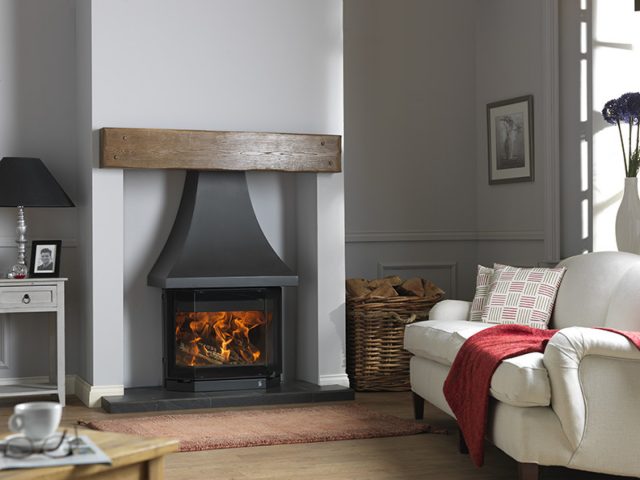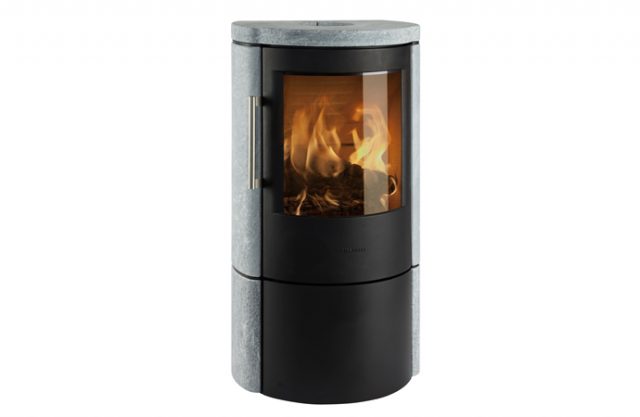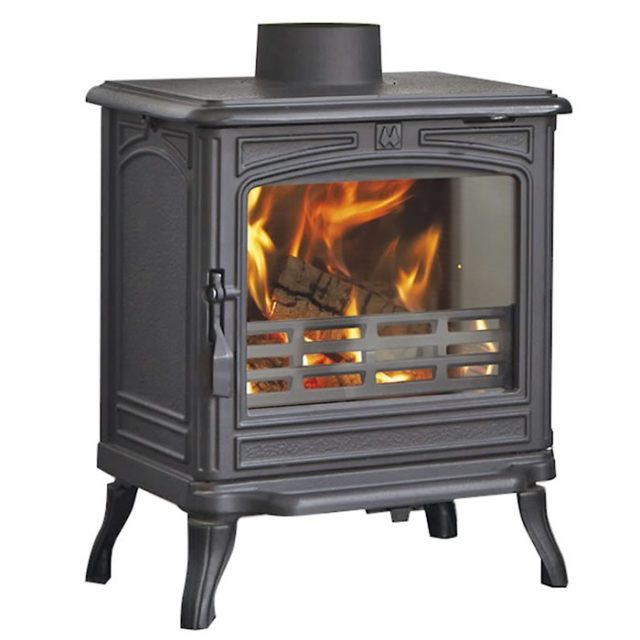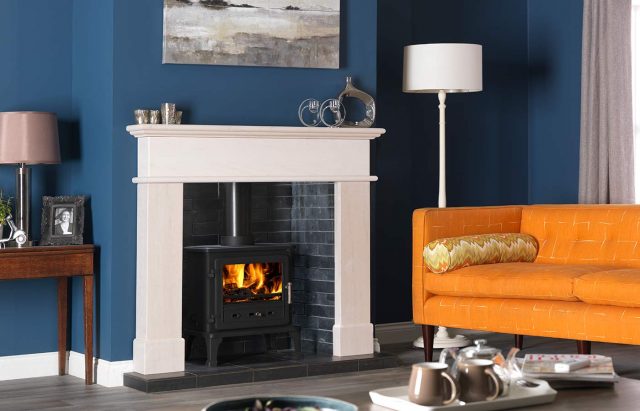
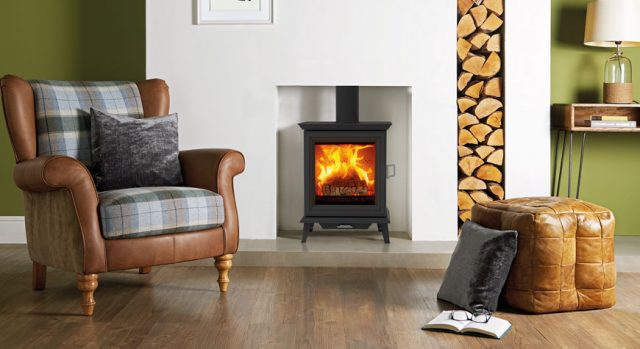
As the cold nights begin to draw in, many people will be firing up there wood-burning stove to create that deep seated heat which makes them stand out from other forms of heat. While many people will be aware of the simple safety tips associated with using a wood-burning stove, it does no harm to remind ourselves.
Maintaining a distance between the stove and surrounds
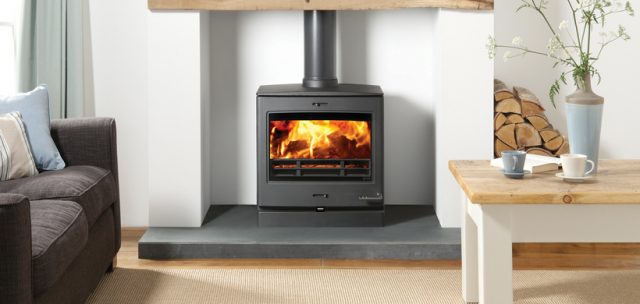
It is imperative that you maintain the appropriate distance between flammable and inflammable materials around your stove. This information will be detailed in the user guide you receive with your new wood-burning stove and should be followed to the letter of the law. Over time we have seen major problems where surrounds have dried out and eventually combusted. Whether or not you are there when it catches fire we can all imagine the potential outcome. Read the book and follow the guide!