Read More
When should I replace stove fire rope?

When should I replace stove rope?

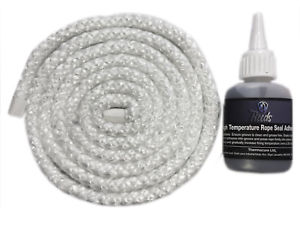
Even though stove fire rope is just a simple piece of rope which seals doors, glass and sometimes other parts of the stove, it is very important. As soon as the fire rope begins to crack and break it is compromised and needs to be replaced. The fact it is also relatively cheap means there is no excuse for delaying this repair.

Testing to see if your stove rope needs replaced

In the vast majority of cases you should be able to see visible decay in various areas of the stove rope indicating it needs replaced. However, there is a very simple test that you can do which will tell you instantly if it needs replaced.

Take an A4 sheet of paper and place this against the area which the stove rope will lay once the stove door is closed. If you are able to pull the paper away from the stove while the door is shut then the seal has deteriorated. It sounds simple – but give it a try next time you are using your stove!
Read More
Is creosote dangerous for wood-burning stoves?

Is creosote dangerous for wood-burning stoves?

On the surface modern day wood-burning/multifuel stove may seem fairly unchanged from years gone by. Under the surface it is a different matter. Stoves today are highly tuned, focused machines designed to work at optimal levels. However, there are a number of issues you need to monitor to maximise your stove output and minimise the build-up of creosote.

What is creosote?

Creosote is a naturally occurring material which is best described as a tar like substance. In a fully functional wood-burning stove the gases released from the wood will simply be directed into the flue pipe. However, if there is a build-up in the chimney, or the stove is not working as efficiently as it should, this can lead to reduced heat. This in turn prompts the gases created by burning wood to solidify in the chimney and stick to the flue. It is worth noting that creosote is flammable and highly corrosive.

Read More
Benefits of hardwood over softwood?

Choosing the best types of wood for your stove

We all know that seasoned hardwood with a moisture level of 20% is perfect for a wood-burning stove. It offers the optimum balance between durability, while creating significant heat, burns very slowly and has a moisture level of 20%. The next question is which types of wood offer these characteristics?

The difference between hardwood and softwood

Before we look at specific wood types, it is worth reminding ourselves of the difference between hardwood and softwood. In simple terms, hardwood is denser which means it burns relatively slowly which creates significant heat. Softwood is less dense meaning that it will burn quicker, create less heat and be ultimately more expensive to use. As the average density of softwood is around half of that associated with hardwood, it burns twice as quickly.

Read More

New Yeoman CL5 widescreen stove

Those who follow the UK wood-burning and multifuel stove market will be well aware of the Yeoman range. Over the years the Yeoman brand and reputation has grown which is a reflection of the quality, durability and value for money products Yeoman offer. So, with the Yeoman CL5 stove as popular as ever, it was perhaps only a matter of time before they introduced the Yeoman CL5 widescreen stove.

Over the last few years we have seen a growing trend towards extended viewing areas allowing you to watch the flickering flames and the burning embers. After all, for many people this is a large part of the wood-burning/multifuel stove experience? So, as we await further details of the official launch of the Yeoman CL5 widescreen stove, what can we expect?

Read More
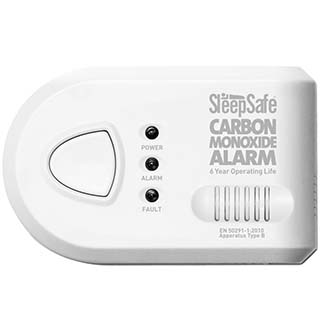
Carbon Monoxide Meter

Can you get carbon monoxide poisoning from a wood burning stove?

The simple answer is yes, you can get carbon monoxide from a wood-burning stove. However, carbon monoxide poisoning is also possible with additional fuels such as gas, oil, solid minerals and biomass. Not just wood-burning and multifuel stoves. So, how can you protect yourself against carbon monoxide poisoning?

Carbon Monoxide Meter
Buy Your Carbon Monoxide Meter Today

It is only faulty or badly maintained equipment which will put you at danger of carbon monoxide poisoning. Therefore, there are a number of actions you can take to protect yourself.

Installing your stove

In theory anyone can install a stove as long as it is signed off by the local authority building department. In practice many people choose to use an approved fitter who can install your stove without additional paperwork. Initially, this is the best way to protect you from faulty/badly installed stoves.

Read More
Wood-burning and multifuel stove efficiency tips

Do you need planning permission for a flue?

The question of whether you need planning permission for a flue is not covered in great detail on the Internet. In reality, the vast majority of wood-burning/multifuel stove installations will not require planning permission but it is worth checking out. Building regulations clarify when planning permission is not required.

Planning permission regulations in the UK

Under normal circumstances the fitting, altering and replacing of an external flue, chimney or soil and vent pipe will be considered as permitted development. Therefore, planning permission will not be required in the vast majority of cases. However, there are a number of issues to take into consideration.

Read More
Signs of a substandard stove installation

Signs of a substandard stove installation

The installation of a wood-burning or multifuel stove is heavily regulated. All installations must be signed off by a HETAS qualified person or the local authority building control department. Therefore, finding a responsible and qualified installer is very important. There will be serious repercussions for those who install stoves without the necessary qualifications and paperwork.

Some of the more common issues to look out for include:-

Register plate fitting

Any sensible stove owner or stove installer would be horrified to learn that some apparently “qualified” installers have in the past used combustible materials as a register plate. We have seen instances of chipboard and other similar material used in place of steel. Aside from the fact there are tight regulations regarding the distance between your stove/flue pipe and combustible materials, this does not make sense.

Read More
How much does a wood-burning stove cost?

How much does a wood-burning stove cost?

It is fair to say that when looking to buy a wood-burning stove it really does depend upon your budget, from just a few hundred pounds up to a few thousand pounds. That really is the breadth of stoves on offer today. Even though the choice is enormous in the modern day stove market, where do you start?

We will now take a look at some of the “entry” level stoves and some of the more expensive which tend to relate to contemporary machines.

Entry-level stoves

It is unfair to suggest that modern day stoves towards the lower end of the cost spectrum are entry-level models. Maybe a decade ago this would have been a fair description but stove brands such as Hamlet and Firefox have taken the quality of low-cost stoves to a new level.

Firefox stoves

The price of a Firefox stove starts at around £480 for the Firefox 5 cleanburn multifuel stove (DEFRA approved) up to £850 for the Firefox 8 stove. There is also a Firefox 12 stove which, as the name suggests, creates heat output with a nominal value of 12 kW. Firefox stoves tend to focus on more traditional styles because those looking at stoves for the first time tend to focus on this type of machine.

Read More
How do I stop smoke coming out of my stove?

Controlling airflow to maximise stove efficiency

When you buy a wood-burning/multifuel stove you will be advised about the various airflow systems which maximise efficiency. It is only when you install your stove and begin to experiment with air vents that you realise the power that controlling airflow has in relation to the efficiency of your stove. So, primary, secondary and tertiary airflow systems, what do they do and why are they so important?

Primary air supply

The primary air supply to your stove enters the machine towards the bottom of the firebox and is of greater importance when burning coal. Adjusting the air vents which control the primary airflow will allow you to find the optimum level at which the coal/wood and other fuel will burn. When you initially light your stove you will require maximum airflow to ignite the fuel. As the fuel begins to burn you can then turn down the primary airflow so as to maximise fuel efficiency and ensure your stove does not suffer from “overheating”.

Secondary air supply

Many people would suggest that the secondary air supply is more important when burning wood but it does play a role whichever type of fuel you are using. In particular, when burning wood it is essential that the firebox temperature is kept as high as possible. If the airflow used was predominantly from the primary supply this would cool the firebox and reduce the efficient burning of wood. So, the secondary air supply has a journey which takes it around the firebox so by the time it enters it is already “preheated”. This ensures that there is no interruption to the rising temperature within the firebox and the fuel is burned most efficiently.

Read More
Different types of material used with wood-burning and multifuel stoves

Is cast iron or steel better for a wood-burning stove?

When you begin your search for a wood-burning stove you will likely come across an array of traditional and contemporary machines. While the vast majority of traditional stoves tend to be made of cast iron the more contemporary stoves are often made of steel. This then prompts the question, which is the best metal for a wood-burning stove?

Cast iron has a strong history

Before we look at the pros and cons of the two materials it is worth looking back over the years when cast-iron was the go to metal when manufacturing a wood-burning stove. While we hear and see the figures about the heat created within a wood-burning stove, it is difficult to comprehend the stress and strain this places upon the body of the machine. The quality of steel available in years gone by was significantly deficient compared to cast-iron. As a consequence, it is only over the last 20 years or so that we have seen major improvements in the type and quality of steel available and there is now a real option for stove manufacturers.