Category: Stove Advice & Maintenance

Read More
How to avoid smoke seeping into your room from your stove

How to avoid smoke seeping into your room from your stove

The process of burning fuel on a wood-burning/multifuel stove has remained constant for many years. Yes, we have seen tweaks with the technology, additional services added but the idea of setting the fuel alight, letting the gases escape through the flue and enjoying the deep seated heat have not change. One issue that you will likely come across at some point is that of smoke seeping back into your room once you have fired up your stove.

Why would smoke seep back into the room?

There are a number of reasons why smoke may seep back into the room from your stove. These include:-

•    Pocket of air stuck in the flue (most common)
•    Strong winds
•    Poor draw
•    Lack of ventilation
•    Exposed location

We will take a look at the issues associated with a pocket of air stuck in the flue, what this will cause and how to avoid it.
Read More
Ensure that your wood-burning/multifuel stove is legal

Ensure that your wood-burning/multifuel stove is legal

There is a general misconception that wood-burning/multifuel stoves are a new phenomenon. In reality they have been used for hundreds of years and been popular in homes across the UK for a number of decades now. True, the design and the look of the modern day stove has been developed as have the regulations which company the installation and use of a wood-burning/multifuel stove. It is therefore very important that you stay on the right side of the law when installing and using your stove.

Building regulations, document J

Whether you install a stove yourself (not advised) or have it installed by a qualified installer (HETAS engineer) the installation will need to comply with document J of the building regulations. These are regulations which are managed by the local authorities although your stove can be signed-off by a HETAS engineer. If the installation was not carried out by a qualified engineer then it must be signed off by a member of the building department of your local authority.

Read More
Is the stove industry doing enough to combat climate change?

Why might your wood-burning grate warp or break?

It is fair to say that wood-burning and multifuel stoves are built to last, built to withstand significant heat and generally have a relatively long lifespan. However, from time to time you will come across issues where parts break or warp and sometimes you might wonder why. In this article we will look at why wood-burning grates warp or break and what you can do to stop this.

What might cause wood-burning grates to warp or break?

There are four main reasons why your grate may need replaced and while you can address the majority of these reasons, good old-fashioned wear and tear issues are part and parcel of life with a wood-burning stove.

Wear and tear

The position of the grate and the fact it has burning fuel sitting on top can over time lead to general wear and tear. This does not necessarily mean there was a fault with the part, it is just the intense heat will have an impact on the metal in the long run. The wear and tear could take literally years to become visible but you will likely see an ever reducing decline in efficiency. The good news, you can buy grates online with delivery direct to your doorstep. They are also one of the simplest spare parts to replace!

Read More
Why won’t my baffle plate sit properly?

What could cause your baffle plate to warp and bend?

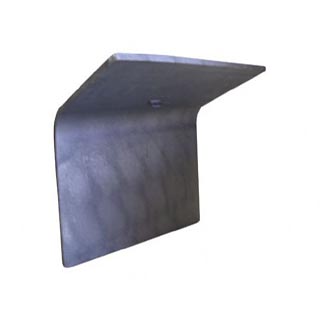
It is safe to say that a baffle plate is situated in the most challenging and the hottest area of your stove. This piece of metal has a very tough job, deflecting and reflecting heat back into the firebox to build up the temperature. The key to a successful wood-burning/multifuel stove is the ability to maintain control of the heat and ensure that it is circulated in a controlled manner. So, what might cause your baffle plate to warp and bend?

How to spot a warped baffle plate

In some cases the bend/warp of a baffle plate might be relatively small and not always visible to the naked eye. However, once you take your baffle plate out to clean and then replace it, you might spot some tell-tale signs. These might include:-

•    A hole on the baffle plate itself
•    Difficulty refitting the baffle plate
•    An unevenness when moving the baffle plate

It is neither difficult nor expensive to replace a baffle plate but obviously you want to ensure that your spending on spares is minimal and you get the best value for money. So, what might cause a baffle plate to warp and bend?

Read More
Differences between a wood-burning and multifuel stove

Differences between a wood-burning and multifuel stove

Those with an interest in wood-burning and multifuel stoves obviously know there is a difference but what are the specific differences. This is probably one of those stove related questions you would like to ask but it may be sound so simple that you don’t want to.

Basic difference between multifuel and wood-burning stoves

The most obvious difference is in the name, multifuel indicates you can use more than one type of fuel while a wood-burning stove denotes you can only burn wood. There are subtle differences in the make-up of the different types of stove and it is also worth noting that the multifuel stove can burn wood. So, in theory, a multifuel stove offers the best of both worlds?

Read More
Process of replacing broken stove door glass

Process of replacing broken stove door glass

While the body of each individual stove can be very different, in recent times we have seen spare parts applicable for many different stoves under the same brand. In order to maximise customer experience the process of fixing issues such as broken stove door glass is very simple. Even though many people will still utilise the skills of a qualified installer, a little bit of confidence and you can do this yourself.

Removing excess ash and dirt from the door

Before you even begin the process of removing the broken glass it is advisable to clean the inside and outside of your stove door (obviously waiting until the stove is cold). You will notice that the inside of the stove will have accumulated a fair amount of ash and potentially tar. In order to maximise efficiency going forward it is vital that these substances are removed. The best way to do this is by using a simple brush. There is no need to be overly vigourous during this process.

Read More
Stoves just for the houses…Think again

Narrowboats and solid fuel stoves

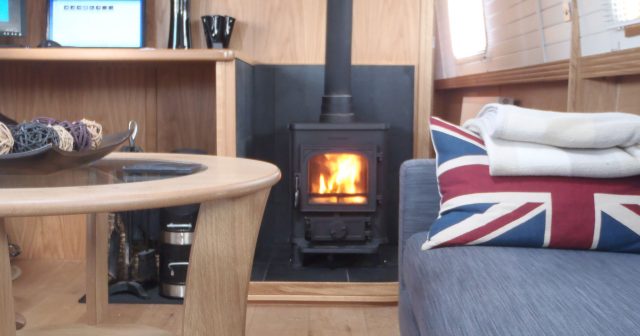
At first glance the idea of installing a wood-burning/multifuel stove on a canal boat/narrowboat may seem bizarre. Where is the space? Is it safe? Well, this type of location has been extremely popular amongst stove enthusiasts for many years. We will now take a look at some of the main matters to consider when looking at a wood-burning/multifuel stove for your narrowboat.

British standards for narrowboat stove installations

It will be no surprise to learn that historically, prior to the introduction of specific regulations for narrowboats, there were a number of fatalities amongst those using wood-burning/multifuel stoves on canal boats. There are obviously many issues to consider such as air circulation, carbon monoxide poisoning and the array of dangers associated with fire. Thankfully these standards are now appreciated by the vast majority of canal boat owners and those who install stoves in these unique locations.

Read More
Wood burning stove

What to do when stove paint starts coming off your wood-burner

We are asked many questions about wood-burning stoves (and multifuel stoves) but one of the most common is about stove paint and why it can start flaking off at a relatively early stage. Many people are obviously concerned about the flaking paint but it is often part of the curing process and extremely easy to rectify.

What causes paint to flak off a wood burner?

When you buy a brand-new wood-burning stove it is obviously the finished article but there is still one last thing, a curing process for the paint. This is specialist paint which is resistant to extremely high temperatures but with a new stove there will still be liquid in the paint. You will notice that over the first three or four days of using your new wood-burning stove there will be a chemical reaction within the paint. This is known as “curing” and is quite simply the process by which remaining liquids within the paint evaporate due to the extreme heat created by your stove.

Read More
Maintaining and repairing your Franco Belge stove

Maintaining and repairing your Franco Belge stove

As the UK currently enjoys the first taste of summer perhaps the last thing on the mind of a wood-burning stove/multifuel stove owner is their machine. However, now is the best time to look at maintaining and repairing your Franco Belge stove so that it is ready when the nights eventually draw in and autumn then winter descend upon us. It may seem a long way off, but it will soon catch up with us!

Maintaining your Franco Belge stove

Even though Franco Belge stoves have been around for some time now, they are still extremely popular. They are long-lasting, well manufactured and as any Franco Belge stove owner will tell you, they need very little in the way of maintenance and repair. However, spotting the early signs of wear and tear, perhaps a part needs replaced may not only save you money further down the line but will immediately improve the efficiency.

Repairing your Franco Belge stove

Thankfully, the vast majority of Franco Belge stove parts are very easy to remove and replace. The stove booklet should be able to assist with replacing the easier items and if you require further assistance, please do not hesitate to contact us. We strongly advise replacing that cracked glass, worn fire brick and damaged baffle plate as soon as possible. That way, when autumn and winter finally descend upon us your stove will be ready for action!

Read More
Is a multi-fuel stove worth the extra money?

Is a multi-fuel stove more expensive than a wood burner?

A multi-fuel stove, which can burn wood, coal, peat, solid fuel and other types of fuel, can also be used to heat radiators and produce hot water. There is a general misconception multi-fuel stoves are more expensive but this is not always the case. It does depend upon the size, the heat output and the brand of stove but on the whole the difference is minimal to say the least. Indeed in some cases a wood-burner may actually be more expensive than a multi-fuel stove.

What can affect the cost of a multi-fuel stove?

There are many different aspects to take in the consideration regarding the cost of a multi-fuel stove which include:-

•    The size of the viewing window (there is a strong trend towards widescreen viewing areas)
•    Double sided multi-fuel stoves will be more expensive as you effectively get two stoves in one
•    The more focus on the design of the multi-fuel stove, as opposed to the heat output, the greater the cost
•    Brand – the more popular/designer multi-fuel stove brands will vary significantly in cost